


Transporting containers using a semi - trailer truck is a crucial aspect of the logistics and transportation industry. As a semi - trailer truck supplier, I have witnessed firsthand the importance of efficient and safe container transportation. In this blog, I will delve into the process of transporting containers using semi - trailer trucks, covering everything from choosing the right trailer to the actual transportation process.
Choosing the Right Semi - Trailer
The first step in transporting containers is selecting the appropriate semi - trailer. There are several types of semi - trailers available, each designed for specific container sizes and transportation requirements.
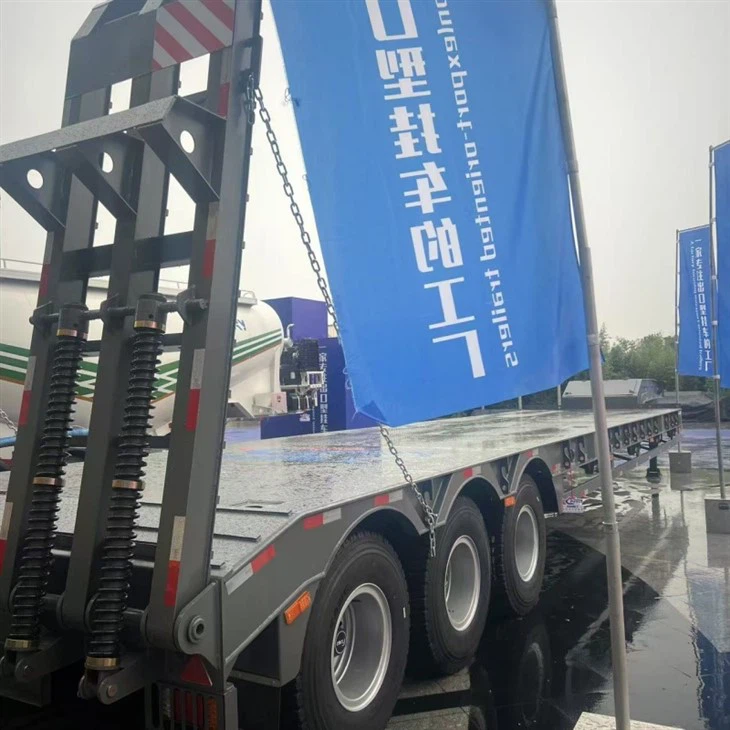
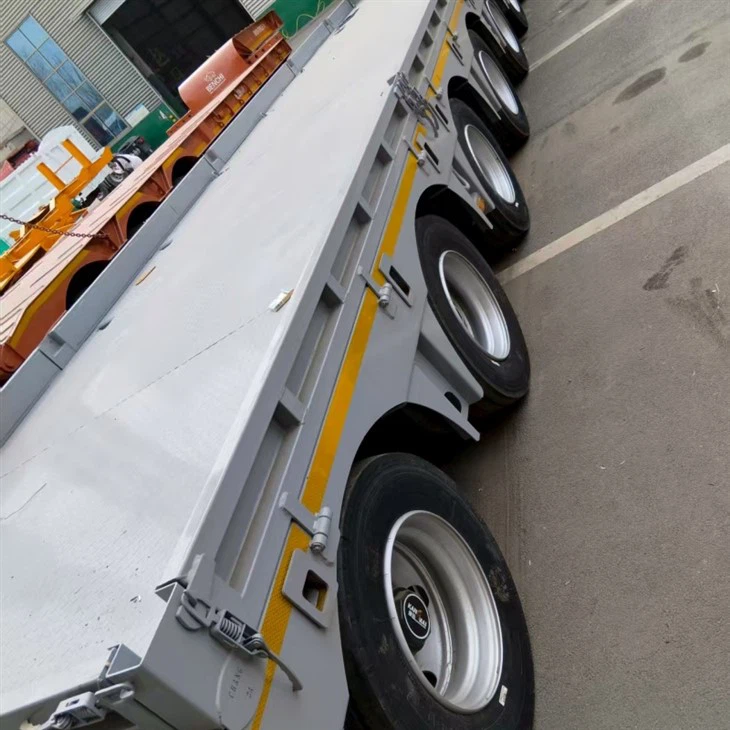
One popular option is the Gooseneck LowBed Semi Trailer. This type of trailer is ideal for transporting heavy and oversized containers. The gooseneck design allows for better weight distribution, and the lowbed provides a lower center of gravity, enhancing stability during transportation. It can handle containers of various sizes and is commonly used in industries such as construction and heavy machinery transportation.
Another option is the 5 - 10 Axle Gooseneck Semi Trailer. With multiple axles, this trailer can carry heavier loads. It is suitable for long - distance transportation of large containers, especially those with high - weight cargo. The additional axles help distribute the weight evenly, reducing the stress on the road and the trailer itself.
For certain types of cargo, such as bulk materials, the 4 Axle Rear Dump can be a great choice. This trailer is designed to dump its contents from the rear, making it efficient for transporting materials like sand, gravel, or waste. It is commonly used in the construction and mining industries.
Pre - Transportation Preparations
Before loading the container onto the semi - trailer, several preparations need to be made. First, the trailer must be inspected thoroughly. Check the tires for proper inflation and any signs of wear or damage. Inspect the brakes, lights, and suspension system to ensure they are in good working condition. A pre - trip inspection is crucial to prevent breakdowns and accidents during transportation.
Next, the container needs to be prepared. Make sure the container is clean and free of any debris or hazardous materials. If the container is carrying fragile or sensitive cargo, appropriate padding and securing materials should be used to prevent damage during transit.
The loading process is also a critical step. The container should be loaded onto the trailer using proper equipment, such as a forklift or a crane. It is important to ensure that the container is centered on the trailer and evenly balanced. Uneven loading can cause the trailer to tip over or lead to excessive wear on one side of the tires.
Securing the Container
Once the container is loaded onto the semi - trailer, it must be secured properly. This is essential to prevent the container from shifting or falling off during transportation. There are several methods for securing containers, including using twist locks, chains, and straps.
Twist locks are commonly used to secure the corners of the container to the trailer. They are designed to fit into the corner castings of the container and can be tightened to hold the container firmly in place. Chains and straps can also be used to provide additional support and prevent movement. When using chains and straps, make sure they are properly tightened and attached to secure points on the trailer.
The Transportation Process
During transportation, the driver must follow all traffic rules and regulations. They should also be aware of the weight and dimensions of the load, as this can affect the handling of the truck. For example, a heavy load may require longer braking distances and slower speeds.
The driver should also be prepared for different road conditions. In adverse weather conditions, such as rain, snow, or fog, extra caution should be taken. The driver may need to reduce speed and increase the following distance to ensure safety.
Regular stops should be made during long - distance transportation to check the container's security and the condition of the trailer. This can help identify any potential problems early and prevent accidents.
Unloading the Container
Once the semi - trailer reaches its destination, the container needs to be unloaded safely. Similar to the loading process, proper equipment should be used to unload the container. The securing devices, such as twist locks, chains, and straps, should be removed carefully.
After unloading, the trailer should be inspected again to ensure that it is in good condition for the next trip. Any damage or wear should be repaired promptly to maintain the trailer's safety and performance.
Maintenance and Safety
To ensure the long - term reliability of semi - trailer trucks used for container transportation, regular maintenance is essential. This includes oil changes, tire rotations, brake inspections, and suspension system checks. A well - maintained trailer is less likely to break down and can provide a safer transportation environment.
Safety should always be the top priority. Drivers should receive proper training on container transportation, including loading, securing, and driving techniques. They should also be aware of the potential hazards associated with transporting containers, such as high - wind conditions and uneven road surfaces.
Conclusion
Transporting containers using semi - trailer trucks is a complex but essential process in the global supply chain. As a semi - trailer truck supplier, I understand the importance of providing high - quality trailers that meet the diverse needs of our customers. By choosing the right trailer, making proper pre - transportation preparations, securing the container correctly, and following safe transportation practices, we can ensure the efficient and safe delivery of containers.
If you are in the market for a semi - trailer truck for container transportation, I encourage you to reach out to us. We have a wide range of trailers available, including the Gooseneck LowBed Semi Trailer, 5 - 10 Axle Gooseneck Semi Trailer, and 4 Axle Rear Dump. Our team of experts can help you select the right trailer for your specific needs and provide you with all the necessary support and advice. Contact us today to start the procurement process and discuss how we can help you optimize your container transportation operations.
References
- American Trucking Associations. (Year). Best Practices for Container Transportation.
- Federal Motor Carrier Safety Administration. (Year). Safety Regulations for Semi - Trailer Trucks.
- International Maritime Organization. (Year). Guidelines for Container Loading and Securing.


