
Transporting heavy machinery using a semi - trailer truck is a complex yet crucial process in various industries, from construction to manufacturing. As a semi - trailer truck supplier, I have witnessed firsthand the importance of proper planning and execution in this task. In this blog, I will share insights on how to transport heavy machinery safely and efficiently using a semi - trailer truck.
Understanding the Machinery and Trailer Compatibility
Before any transportation can take place, it is essential to understand the specifications of the heavy machinery and the capabilities of the semi - trailer truck. Heavy machinery comes in various shapes, sizes, and weights. For instance, large excavators, bulldozers, and cranes can weigh several tons. The semi - trailer truck must be selected based on the weight and dimensions of the machinery.
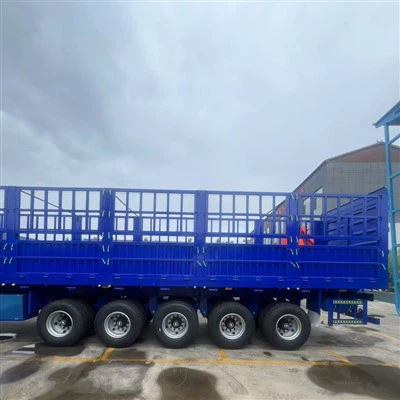
We offer a wide range of semi - trailers to meet different needs. For example, the Fence Semi Trailer is suitable for transporting machinery with irregular shapes. It provides a secure enclosure to prevent the machinery from shifting during transit. The 3 Axle Car Carrier Semi Trailer can be used for transporting smaller, more compact machinery, such as forklifts or small tractors. And for extremely heavy and large machinery, the 5 - 10 Axle Gooseneck Semi Trailer offers the necessary load - bearing capacity and stability.
Pre - Transport Preparation
- Inspection of the Machinery: Before loading, a thorough inspection of the heavy machinery is required. Check for any loose parts, leaks, or damage that could pose a risk during transportation. Ensure that all moving parts are properly secured and that the machinery is in a stable condition.
- Trailer Inspection: The semi - trailer truck should also be inspected. Check the tires for proper inflation and wear, the brakes for functionality, and the suspension system for any signs of damage. Make sure that all safety features, such as lights and reflectors, are working correctly.
- Route Planning: Plan the route carefully, taking into account factors such as road conditions, weight restrictions, and low - clearance areas. Avoid routes with sharp turns, steep inclines, or narrow roads that could make it difficult to maneuver the semi - trailer truck. Use mapping tools and local knowledge to identify the safest and most efficient route.
Loading the Heavy Machinery
- Positioning: Position the semi - trailer truck in a flat and stable area. Use ramps or a loading dock to load the heavy machinery onto the trailer. Make sure that the machinery is centered on the trailer to distribute the weight evenly.
- Securing the Machinery: Once the machinery is on the trailer, it must be secured properly. Use heavy - duty straps, chains, and binders to prevent the machinery from moving during transit. Attach the straps to the trailer's anchor points and tighten them securely. Check the tension of the straps regularly to ensure that they remain tight.
- Balancing the Load: Proper load balancing is crucial for safe transportation. The weight of the machinery should be evenly distributed across the trailer's axles. If the load is not balanced correctly, it can cause the trailer to sway or even tip over. Use a weighing scale or a load - distribution calculator to ensure that the load is balanced.
During Transportation
- Driving Skills: The driver of the semi - trailer truck must have the necessary skills and experience to handle the heavy load. They should drive at a safe speed, especially when going around curves or on uneven roads. Avoid sudden stops or starts, as this can cause the machinery to shift.
- Monitoring the Load: Regularly check the load during transportation to ensure that it remains secure. Stop at regular intervals to inspect the straps and the machinery for any signs of movement or damage. If any issues are detected, take immediate action to correct them.
- Weather Conditions: Be aware of the weather conditions during transportation. Rain, snow, or strong winds can affect the stability of the semi - trailer truck and the load. If the weather conditions are severe, consider delaying the transportation until the conditions improve.
Unloading the Heavy Machinery
- Reverse the Loading Process: Unloading is essentially the reverse of the loading process. Position the trailer in a safe and stable area, and use ramps or a loading dock to lower the machinery to the ground.
- Inspection After Unloading: Once the machinery is unloaded, inspect it again for any damage that may have occurred during transportation. If any damage is found, document it and report it to the appropriate parties.
Safety Regulations and Compliance
Transporting heavy machinery using a semi - trailer truck is subject to various safety regulations and compliance requirements. These regulations are in place to ensure the safety of the driver, the load, and other road users. It is important to stay updated on the latest regulations and ensure that all transportation activities comply with them.
Why Choose Our Semi - Trailer Trucks
As a semi - trailer truck supplier, we are committed to providing high - quality trailers that meet the needs of our customers. Our trailers are built with the latest technology and materials to ensure durability and reliability. We offer a wide range of trailers, including the Fence Semi Trailer, 3 Axle Car Carrier Semi Trailer, and 5 - 10 Axle Gooseneck Semi Trailer, to meet different transportation requirements.


If you are in need of a semi - trailer truck for transporting heavy machinery, we invite you to contact us for a consultation. Our team of experts will work with you to understand your needs and recommend the most suitable trailer for your specific requirements. We look forward to helping you with your heavy machinery transportation needs.
References
- American Trucking Associations. (2023). Heavy Haul Transportation Guidelines.
- Federal Motor Carrier Safety Administration. (2023). Commercial Vehicle Safety Regulations.