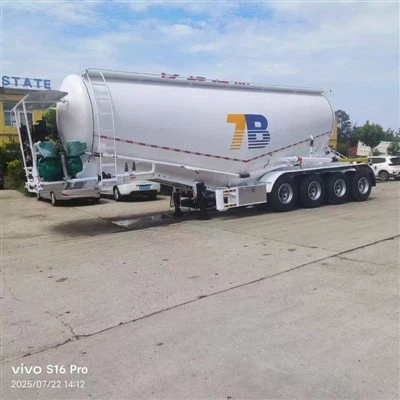

As a seasoned supplier of semi - trailer trucks, I often encounter inquiries about the maximum load capacity of these heavy - duty vehicles. Understanding the maximum load capacity is crucial for both trucking companies and individual operators, as it directly impacts the efficiency and profitability of their operations. In this blog post, I will delve into the factors that determine the maximum load capacity of a semi - trailer truck and provide insights into different types of semi - trailers and their load - bearing capabilities.
Factors Affecting the Maximum Load Capacity
The maximum load capacity of a semi - trailer truck is not a fixed value; it is influenced by several key factors.
1. Trailer Design and Construction
The design and construction of the semi - trailer play a significant role in determining its load - carrying capacity. Trailers are built with different materials, such as steel or aluminum, and their structural integrity is a critical factor. For example, a well - engineered trailer with a robust frame and reinforced components can handle heavier loads compared to a less - sturdy design.
The type of suspension system also affects the load capacity. Air suspensions are often preferred for their ability to distribute the load evenly across the axles, which can increase the overall load - bearing capacity. Additionally, the number of axles on the trailer is a major determinant. Trailers with more axles can typically carry heavier loads because the weight is spread out over a larger area, reducing the pressure on each individual axle.
2. Axle Ratings
Each axle on a semi - trailer has a specific weight rating, which is determined by its design and construction. The maximum load capacity of the trailer is limited by the lowest rated axle. For instance, if a trailer has three axles with weight ratings of 20,000 pounds, 20,000 pounds, and 15,000 pounds respectively, the maximum load that can be safely carried on that trailer is restricted by the 15,000 - pound rated axle.
Regulatory bodies often set limits on axle weights to ensure road safety. These regulations vary by region, but they generally aim to prevent excessive wear and tear on roads and bridges. Truck operators must comply with these axle weight limits to avoid fines and ensure the safety of their operations.
3. Tire Capacity
Tires are another crucial component that affects the load - carrying capacity of a semi - trailer. Each tire has a maximum load rating, which is determined by its size, construction, and inflation pressure. The total load capacity of the trailer is also limited by the combined load - carrying capacity of all the tires.
It is essential to choose tires that are appropriate for the expected load. Under - inflated tires can reduce the load - carrying capacity and increase the risk of tire failure, while over - inflated tires can lead to uneven wear and a harsher ride. Regular tire maintenance, including proper inflation and tread inspection, is necessary to ensure the tires can safely carry the intended load.
4. Legal Regulations
Legal regulations play a significant role in determining the maximum load capacity of a semi - trailer truck. Different countries and regions have specific laws regarding the maximum weight that a truck and trailer combination can carry on public roads. These regulations are in place to protect the infrastructure, such as roads and bridges, and to ensure the safety of all road users.
In addition to overall weight limits, there are often restrictions on the distribution of weight across the axles. For example, some regulations require a certain percentage of the total weight to be carried on the front axle of the tractor and specific weight limits for each axle group on the trailer. Truck operators must be aware of and comply with these regulations to avoid legal issues.
Load Capacity of Different Types of Semi - Trailers
There are several types of semi - trailers, each designed for specific applications and with different load - carrying capacities.
1. Side Dump Semi Trailer
A Side Dump Semi Trailer is commonly used for hauling loose materials such as gravel, sand, and dirt. These trailers are designed to dump their load to the side, which allows for quick and efficient unloading. The load capacity of a side dump semi - trailer can vary depending on its size and design.
Typically, side dump semi - trailers can carry loads ranging from 20 to 40 tons. Larger models with more axles and a heavier - duty construction can handle even higher loads. However, the actual load capacity is also affected by the factors mentioned above, such as axle ratings, tire capacity, and legal regulations.

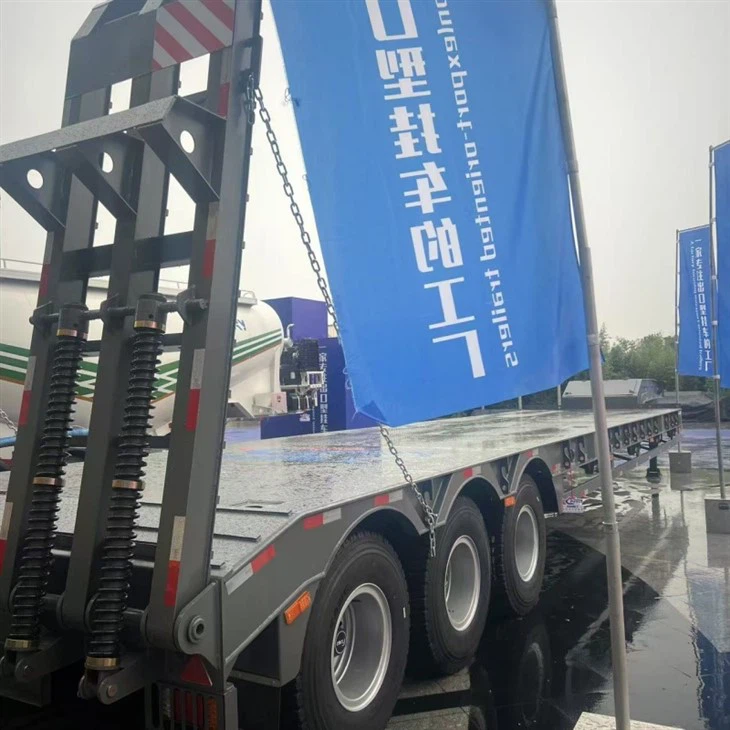
2. Gooseneck LowBed Semi Trailer
The Gooseneck LowBed Semi Trailer is designed for transporting heavy equipment, such as construction machinery, agricultural equipment, and large vehicles. The low - bed design allows for a lower center of gravity, which improves stability when carrying heavy and tall loads.
The load capacity of a gooseneck low - bed semi - trailer can be quite high, often ranging from 30 to 80 tons or more. These trailers are typically equipped with multiple axles to distribute the weight of the heavy load evenly. The specific load capacity depends on the number of axles, the strength of the frame, and the tire ratings.
3. Fence Semi Trailer
A Fence Semi Trailer is commonly used for hauling livestock, lumber, and other materials that need to be contained. The fence - like structure on the sides of the trailer provides a barrier to keep the load in place.
The load capacity of a fence semi - trailer can vary depending on its size and construction. Smaller fence semi - trailers may have a load capacity of around 10 to 20 tons, while larger models can carry up to 30 tons or more. The load capacity is also influenced by the strength of the fence structure and the overall design of the trailer.
Importance of Understanding Load Capacity
Understanding the maximum load capacity of a semi - trailer truck is essential for several reasons. Firstly, it ensures the safety of the trucking operation. Overloading a trailer can lead to tire failure, brake problems, and reduced handling capabilities, increasing the risk of accidents. By staying within the recommended load capacity, truck operators can minimize these risks and ensure the safety of themselves and other road users.
Secondly, understanding load capacity is crucial for compliance with legal regulations. As mentioned earlier, there are strict laws regarding the maximum weight that a truck and trailer combination can carry on public roads. Non - compliance can result in hefty fines and legal consequences. By knowing the load capacity of their trailers, truck operators can ensure that they are operating within the legal limits.
Finally, understanding load capacity can improve the efficiency and profitability of a trucking business. By accurately estimating the load capacity, operators can plan their routes and loads more effectively, reducing the number of trips and maximizing the use of their equipment. This can lead to cost savings and increased revenue.
Conclusion
In conclusion, the maximum load capacity of a semi - trailer truck is determined by a combination of factors, including trailer design and construction, axle ratings, tire capacity, and legal regulations. Different types of semi - trailers, such as side dump semi - trailers, gooseneck low - bed semi - trailers, and fence semi - trailers, have different load - carrying capabilities based on their intended applications.
As a semi - trailer truck supplier, I am committed to providing high - quality trailers that meet the specific needs of my customers. Whether you are looking for a trailer with a high load capacity for heavy - duty hauling or a specialized trailer for a particular application, I can offer a range of options to suit your requirements.
If you are interested in purchasing a semi - trailer truck or have any questions about load capacity and trailer selection, please feel free to contact me. I am here to assist you in making the right choice for your business.
References
- Federal Motor Carrier Safety Administration (FMCSA). Regulations on Commercial Motor Vehicle Weight and Size.
- Tire and Rim Association. Standards for Tire Load Ratings.
- Trailer Manufacturers Association. Guidelines for Trailer Design and Construction.