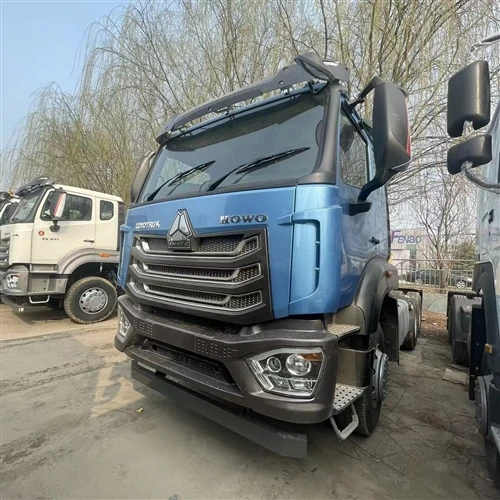
Definition and Working Principle of Dump Trucks

A dump truck is a heavy-duty truck equipped with a hydraulic lifting system that raises the front of the dump body, causing it to tilt backward so that material can be discharged quickly from the rear by gravity. It is mainly used to haul loose bulk materials such as sand, gravel, crushed stone, dirt, ore, and construction debris.
Compared with conventional fixed-body trucks, the biggest advantage of a dump truck is high unloading efficiency, which greatly reduces manual labor and loader assistance time, making it ideal for job sites, mines, and road construction where frequent loading and unloading are required. Key components include the chassis, dump body, hydraulic cylinders, power take-off, and tailgate.

Main Types and Features of Dump Trucks

Based on chassis structure and working environment, dump trucks are mainly divided into three categories: standard dump trucks, articulated dump trucks, and mining dump trucks. Standard dump trucks use a rigid chassis and are suitable for highway and relatively flat job site transport, commonly with 6x4 or 8x4 drive configurations.
Articulated dump trucks connect the front and rear frames through a pivot joint, offering excellent maneuverability and off-road capability, especially suited for muddy, steep, and soft ground conditions. Mining dump trucks are ultra-large machines with payloads typically exceeding 100 tons, sometimes over 400 tons, designed for large open-pit mines. In addition, side dump and bottom dump models serve special unloading requirements.

Typical application scenarios of dump trucks

Dump trucks are widely used in construction, mining, road building, and infrastructure projects. On construction sites, standard dump trucks haul sand, gravel, concrete aggregate, and demolition debris. In mines and quarries, articulated and mining dump trucks transport ore, overburden, and waste rock, and their efficiency and reliability directly affect mine output.
In road construction, dump trucks work with excavators, loaders, and pavers to transport subgrade fill, asphalt mix, and stabilized soil. Additionally, small dump trucks are commonly used in agriculture, landscaping, and disaster cleanup.

Purchase Tips and Daily Maintenance Suggestions

When purchasing a dump truck, key factors include hauling capacity, engine power, dump body volume, drive configuration, and terrain adaptability. For example, highway transport favors standard dump trucks, while mining operations require large-tonnage haul trucks.
For daily maintenance, regularly inspect the hydraulic system for leaks and clean hydraulic oil, check tire wear and pressure, and inspect the bed liner for damage. Operators should also follow rated load limits to avoid frame deformation or hydraulic overload. Regular lubrication of pivot points and lifting mechanisms can extend equipment service life.