Fuel Tanker Buying Notes: Skip the Brochure, Check These Three Things
This is not a complete guide. A fuel tanker can look fine in photos and still be a bad buy. If I were checking one, I would start with three things: tank/chassis match, discharge equipment, and paperwork.
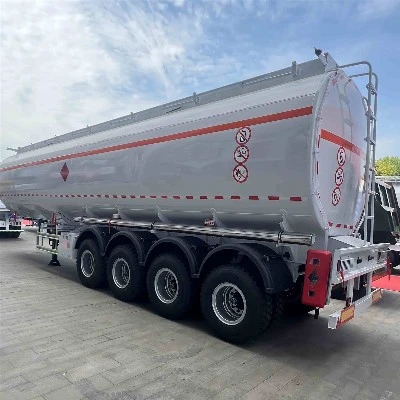
Tank and chassis.
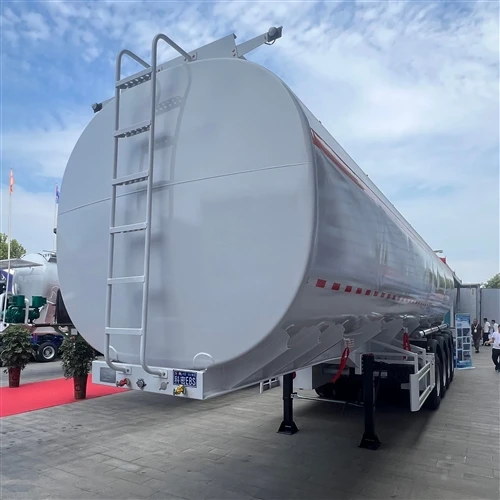
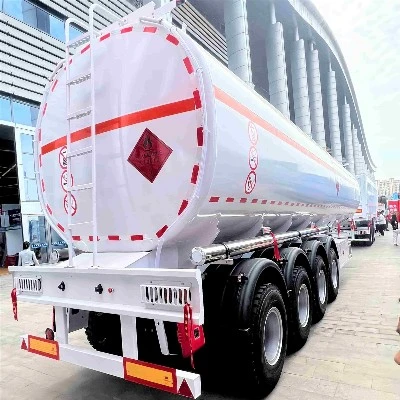
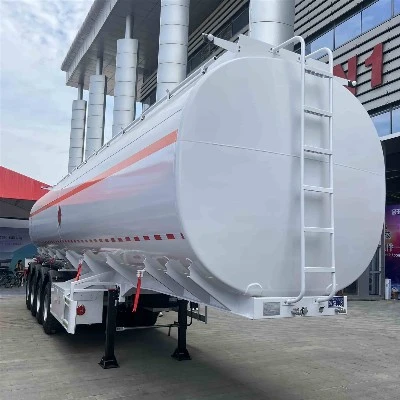
A tank that is too heavy or too long for the chassis is a problem before you load a litre. Check axle ratings, frame mounting, and whether the tank was originally built for that truck. Repainted tanks can hide corrosion around manholes and bottom valves. On a used unit, ask for wall-thickness readings and leak-test records, not just photos.
2. Pump, valves, meter.
Ask how it unloads: pump or gravity? What flow rate? Is the meter calibrated? Are the API adapter, vapor recovery, and emergency shut-off correct for your terminal? A cheap truck with a tired pump is not cheap. If the seller cannot explain the discharge setup clearly, that is a warning sign.
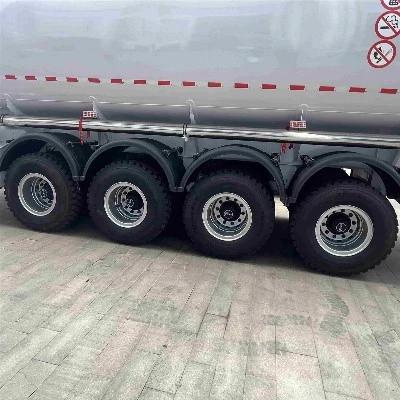
Paperwork and compliance.
In the EU, ADR applies. In the US, look at 49 CFR Part 180 for cargo tank inspection and testing, plus PHMSA/FMCSA requirements for carriers and drivers. Other markets have their own dangerous-goods rules. If test records, calibration papers, and registration documents are missing, either walk away or price in the cost of recertification.
Capacity and compartments matter, but they depend on your route, axle limits, and product. Rigid trucks often fit urban deliveries; semi-trailers fit long-haul volume. Multi-compartment tanks sound flexible, but each compartment shrinks and cleaning gets harder. Choose based on your actual drops, not the biggest number in the brochure.
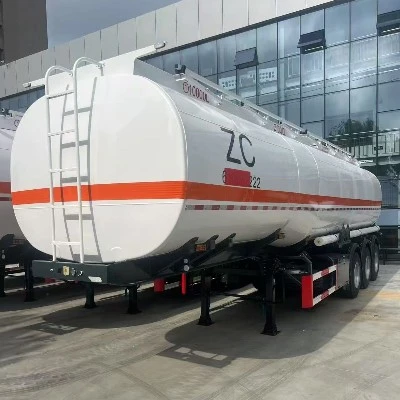
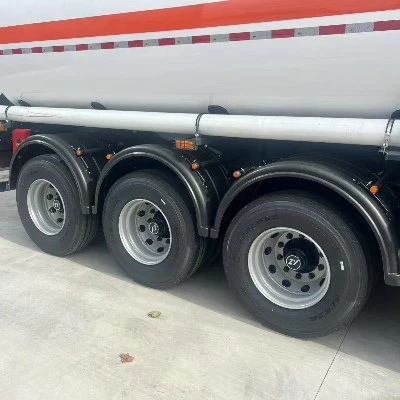
Supplier note: the original brief names Liangshan Big Shark International Trade Co., Ltd. as a supplier of new and used fuel tanker trucks, tractor trucks, dump trucks, concrete mixer trucks, semi-trailers, and construction machinery. If you contact them, ask for the vehicle files first-tank test reports, pump and meter records, and close-up photos of valves and chassis-not just the sales sheet.
That is the short version. Final specs and compliance depend on your route, product, and local authority.