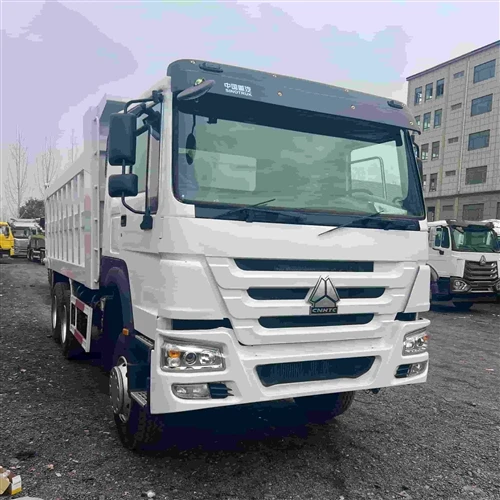
Sprinkler trucks are essential equipment for urban sanitation, road maintenance, and construction site dust reduction. Their operational quality directly impacts environmental hygiene and construction safety. To ensure standardized and effective sprinkler truck operations, the following standards must be strictly adhered to.

I. Pre-Operation Preparation
Before operation, a sprinkler truck must undergo a comprehensive inspection, including checking the water tank's tightness, the pump and piping system for proper function, and whether the nozzle angle is adjustable and unobstructed. The vehicle's tire pressure, braking system, and lighting signals must comply with the "Technical Conditions for Safe Operation of Motor Vehicles." Operators must also wear reflective vests and be familiar with traffic conditions in the area they are operating to avoid disrupting normal traffic.
II. Operating Parameter Standards
1.Water Pressure and Flow Rate: Sprinkler trucks typically operate at a pressure of 0.3-0.6 MPa, with a flow rate ranging from 20-80 m³/h depending on the vehicle model. Specific parameters should be adjusted based on the road surface type. For example, asphalt pavement should use a low pressure (0.3-0.4 MPa) to avoid damage, while soil or construction sites can be appropriately increased to 0.5-0.6 MPa.
2.Driving Speed: On conventional roads, the watering speed should be maintained at 5-10 km/h to ensure uniform water mist coverage. On narrow or complex roads, the speed can be reduced to 3-5 km/h to avoid splashing and affecting pedestrians or vehicles.
3.Spraying Height and Angle: The nozzle angle should be adjusted to 30°-60° from the ground to ensure a water mist coverage width of 3-5 meters. During dust suppression operations, the spraying area should be within 10 meters of the construction area.
III. Operational Procedure Specifications
Watering trucks should operate according to the principle of "focusing on key areas first, then general areas." Prioritize spraying areas with severe dust (such as earthwork storage areas and unpaved roads) before expanding to the entire road section. Maintain a steady and straight driving speed during operation, avoiding sudden braking or frequent lane changes. If pedestrians or non-motorized vehicles are encountered, slow down or stop operations in advance.
IV. Safety and Environmental Requirements
During operations, warning lights must be activated and dedicated personnel must be assigned to direct traffic. Water quality must comply with the "Urban Wastewater Recycling and Urban Miscellaneous Water Quality" standards. The use of oily or corrosive liquids is prohibited. After operations, the remaining water level in the water tank must be checked to prevent prolonged water accumulation that may cause equipment corrosion.
In summary, sprinkler truck operations must strictly adhere to technical specifications and operating procedures to ensure efficient, safe, and environmentally friendly operations, providing effective support for the urban environment and construction sites.