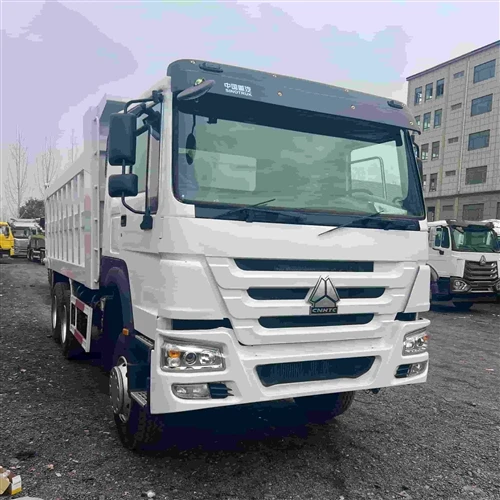
As an indispensable transportation tool on construction sites, truck mixers' proper operation directly impacts concrete quality, construction efficiency, and driving safety. Mastering sound operating techniques not only prolongs the vehicle's lifespan but also prevents potential risks.
I. Pre-departure Inspection and Preparation
Before starting, thoroughly inspect the vehicle's condition, focusing on tire pressure, brake system, lights, signals, and hydraulics. The mixer drum should be stationary or rotating at a low speed to ensure it is not stuck. Also, ensure the water tank is adequately filled and the lubrication system is functioning properly to prevent mechanical failure that could cause the concrete to solidify during transport. Drivers should be familiar with the daily transport route and avoid bumpy sections to minimize tank sway.
II. Key Operational Tips During Transport
Maintain a steady speed while driving, avoiding sudden acceleration or braking to prevent concrete segregation. The mixer drum speed is typically controlled between 2 and 6 rpm, with the specific value adjusted based on road conditions. When climbing a slope, the speed can be increased to prevent the material from sinking, while when descending, the speed should be reduced to maintain balance. In the event of extended traffic jams, the tank must be manually rotated every 30 minutes to ensure uniform concrete distribution. Furthermore, adding water during transportation is strictly prohibited to prevent a change in the water-cement ratio and compromised project quality.

III. Unloading and Cleaning Specifications
Upon arrival at the construction site, ensure the unloading location is firm and flat. Before starting unloading, the mixing drum should be rotated back to the specified speed (usually 8-12 rpm) to ensure concrete fluidity. If unloading is difficult, the discharge port may be blocked. In this case, rotate the tank in the opposite direction or use high-pressure air to clear it. Do not force it. After unloading, thoroughly clean any remaining concrete inside and outside the tank, especially around the seals and discharge port, to prevent hardening and agglomeration. During cleaning, ensure that wastewater discharge complies with environmental regulations and avoids contamination.
IV. Daily Maintenance and Precautions
Regularly check the condition of the hydraulic oil, reducer gear oil, and drive belt, and replace consumables according to the manufacturer's recommendations. When stored for extended periods, drain any accumulated water from the tank and keep the drum dry to prevent rust. Drivers should receive professional training and be familiar with emergency braking and troubleshooting procedures. Overloading or illegal modifications should be avoided.
Scientific use of concrete mixer trucks is fundamental to ensuring project progress and safety. Standardized operation and meticulous maintenance not only improve operational efficiency but also reduce equipment wear and tear and accident risks, providing reliable support for construction.