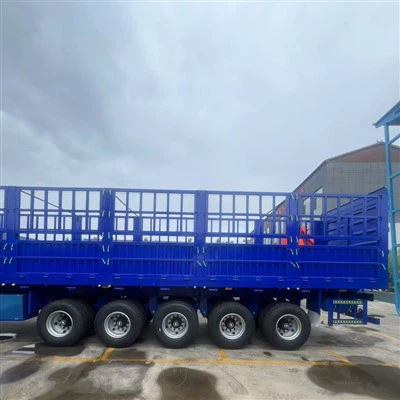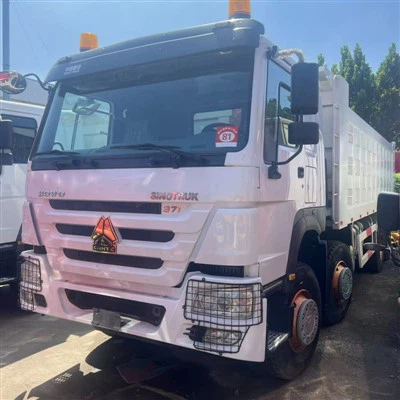

Balancing the load on a fence semi - trailer is a crucial aspect of transportation safety and efficiency. As a supplier of Fence Semi Trailer, I have witnessed firsthand the importance of proper load balancing. In this blog, I will share some practical tips on how to achieve optimal load balance on a fence semi - trailer.
Understanding the Basics of Load Balancing
Before delving into the details of load balancing, it's essential to understand why it matters. Improper load distribution can lead to a variety of problems, including reduced vehicle stability, increased wear and tear on tires and suspension components, and even accidents. When a trailer is not properly balanced, it can cause the truck to handle poorly, especially during turns, braking, or sudden maneuvers.
The first step in load balancing is to know the weight capacity of your fence semi - trailer. Each trailer has a specified maximum gross vehicle weight rating (GVWR), which includes the weight of the trailer itself, the cargo, and any additional equipment. Exceeding this limit can not only damage the trailer but also pose a significant safety risk.
Pre - Loading Considerations
- Inspect the Trailer: Before loading any cargo, thoroughly inspect the fence semi - trailer. Check for any signs of damage, such as bent frames, loose fences, or worn - out tires. Ensure that all the components are in good working condition.
- Plan the Load: Determine the type and quantity of cargo you will be transporting. Different types of cargo have different weight distributions. For example, heavy machinery may be concentrated in one area, while lighter, bulkier items may be more evenly spread. Make a plan for how you will arrange the cargo on the trailer to achieve balance.
Loading Techniques for Balance
- Center of Gravity: The center of gravity of the load should be as close to the center of the trailer as possible. This helps to keep the trailer stable during transit. When loading heavy items, place them near the center of the trailer, both lengthwise and widthwise.
- Even Distribution: Try to distribute the weight evenly across the trailer. Avoid piling all the heavy items on one side or at one end of the trailer. If you have multiple pallets or crates, arrange them in a way that the weight is spread out.
- Securing the Load: Once the cargo is loaded, it's crucial to secure it properly. Use straps, chains, or other appropriate securing devices to prevent the cargo from shifting during transit. Shifting cargo can disrupt the load balance and cause instability.
Axle Loading
- Understand Axle Capacity: Each axle on the fence semi - trailer has a specific weight - carrying capacity. It's important to know these capacities and ensure that the load is distributed among the axles in a way that does not exceed their limits.
- Axle Weight Distribution: For a multi - axle trailer, such as a 3axle Flatbed Semi Trailer or a 5 - 10 Axle Gooseneck Semi Trailer, proper axle weight distribution is key. The front axles typically carry less weight than the rear axles, but the overall distribution should be within the recommended limits.
Post - Loading Checks
- Weigh the Trailer: After loading the trailer, it's a good idea to weigh it at a weigh station. This will give you an accurate measurement of the total weight and the weight distribution among the axles. If the load is not balanced, you can make adjustments before hitting the road.
- Visual Inspection: Conduct a final visual inspection of the trailer and the cargo. Check that all the securing devices are tight and that the cargo has not shifted during the weighing process.
Training and Education
- Driver Training: Ensure that your drivers are trained in proper load - balancing techniques. They should understand the importance of load balance and be able to recognize signs of an unbalanced load.
- Industry Standards: Stay updated on the latest industry standards and regulations regarding load balancing. These standards are in place to ensure the safety of everyone on the road.
Benefits of Proper Load Balancing
- Safety: Proper load balancing significantly reduces the risk of accidents. A balanced trailer is more stable, which means better handling and less chance of tipping over or losing control.
- Cost Savings: By evenly distributing the load, you can reduce wear and tear on the trailer's components, such as tires, axles, and suspension. This can lead to lower maintenance costs and longer equipment lifespan.
- Efficiency: A well - balanced trailer can improve fuel efficiency. When the trailer is stable, the truck can operate more smoothly, requiring less energy to move.
Conclusion
Balancing the load on a fence semi - trailer is a complex but essential task. As a Fence Semi Trailer supplier, I encourage all operators to take the time to understand and implement proper load - balancing techniques. By doing so, you can ensure the safety of your drivers, protect your equipment, and improve the overall efficiency of your transportation operations.
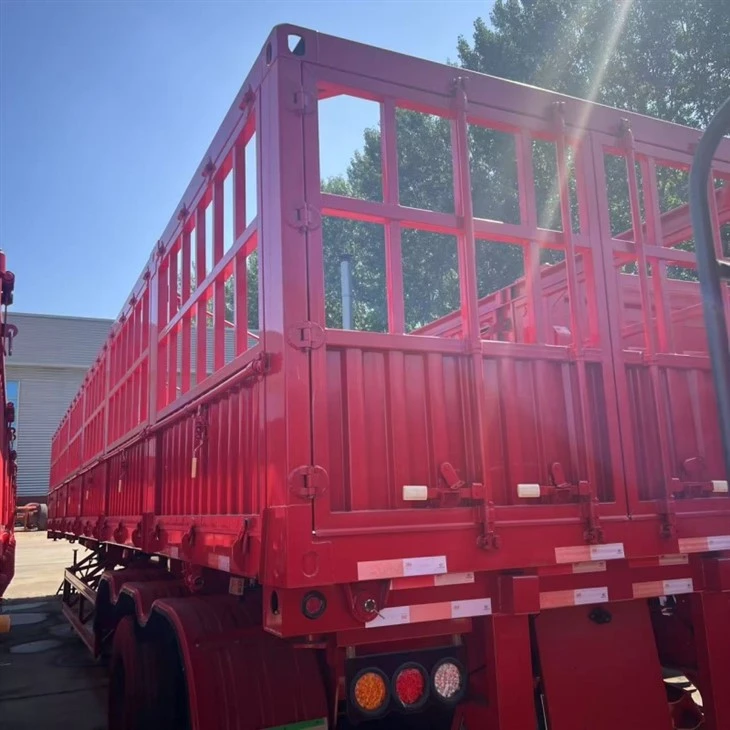
If you are in the market for a high - quality fence semi - trailer or have any questions about load balancing, we are here to help. Contact us to discuss your specific needs and explore our range of trailers. We look forward to working with you to find the perfect solution for your transportation requirements.

References
- Federal Motor Carrier Safety Administration (FMCSA) guidelines on vehicle weight and load distribution.
- Trailer manufacturers' manuals and specifications for load capacity and balance.