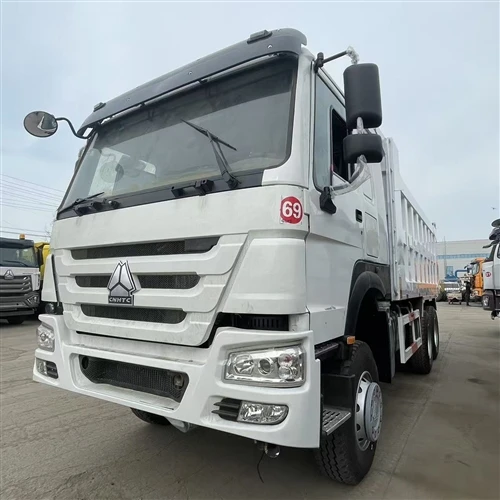
The key factors for choosing a truck

When purchasing trucks, logistics enterprises need to comprehensively consider multiple core factors:
- Load capacity and Gross Vehicle Weight Rating (GVWR): determine transportation efficiency and compliance
- Fuel efficiency and energy type: directly affect long-term operating costs
- Maintenance costs and after-sales service: relate to vehicle availability and stability
- Driving comfort and safety configurations: impact drivers' work efficiency and safety
- Vehicle application scenarios: suitability for long-distance, urban or special transportation needs
Diesel trucks: The main force for long-distance transportation
Despite the rapid development of new energy technologies, diesel trucks still dominate in the long-distance transportation sector. Their advantages mainly lie in:
Powerful and capable of handling heavy loads
Strong range, suitable for cross-regional logistics
Well-developed refueling network, convenient to use
For logistics companies that mainly engage in trunk line transportation, diesel trucks remain the most stable and reliable option.

Electric Trucks: The New Trend in Urban Delivery

Electric trucks are becoming an important solution for urban logistics, especially suitable for short-distance and last-mile deliveries:
Zero emissions, more in line with environmental protection policies
Lower operating costs (electricity cost is lower than fuel cost)
Low noise, suitable for urban environment
With the improvement of charging infrastructure, the application scenarios of electric trucks will further expand in the future.
Common types of logistics trucks
Different transportation needs correspond to different vehicle models. Making reasonable choices can significantly enhance operational efficiency.
Tractor: Suitable for long-distance and large-scale cargo transportation
Van: Suitable for urban delivery and express logistics
Refrigerated truck: Used for cold chain transportation of food, medicine, etc.
Self-unloading truck: Suitable for transportation of construction materials and bulk goods
Enterprises should make targeted configurations based on their own business types.
Trends of the Truck Industry in 2026
The future of the truck industry will exhibit the following key trends:
·New energy trucks (electric, hydrogen-powered) are accelerating their adoption
·Intelligent fleet management systems (connected vehicle technology, AI scheduling) are widely used
·Active safety technologies (such as ADAS) are constantly being upgraded
·Enterprises are placing greater emphasis on energy conservation and sustainable development
These trends will directly influence the purchasing decisions and operational models of logistics enterprises.