Why Do They Call Them Semi-Trailers? The Ultimate Industry Guide

If you've ever driven on a highway, you've seen them: massive tractor trailers hauling freight across the country. You probably call them semi trucks, 18 wheelers, or big rigs. But why are they called semi-trailers? Is it because the trailer is only half of something? The answer lies in clever engineering and a century of trucking industry history. This guide breaks down the origin, the mechanics, and the must-know terminology-packed with high-search-volume keywords so you can easily find more about freight shipping, trucking jobs, CDL requirements, or even a semi trailer for sale.
What Is a Semi-Trailer?

A semi-trailer is a trailer without a front axle. Unlike a full trailer, which has axles at both ends and can stand on its own, a semi-trailer only has wheels at the rear. The front of the trailer rests on the rear of a tractor unit through a fifth wheel coupling. A sturdy kingpin on the trailer locks into the fifth wheel, creating an articulated connection. Because the tractor supports a significant portion of the trailer's weight, the trailer is only partially-or "semi"-supporting itself. That is the core reason we call them semi-trailers. This setup is the backbone of modern logistics and supply chain movement.
Semi-Trailer vs. Full Trailer
Many newcomers confuse semi-trailers with full trailers. A full trailer (like those pulled by a pickup or a dolly-trailer combination) carries its entire weight on its own axles and uses a drawbar connection. A semi-trailer, in contrast, cannot stand alone without lowering its landing gear. The term "semi" directly refers to this half-support design. Next time you see a dry van trailer or a flatbed trailer sitting in a yard on its support legs, you'll know exactly why.


The History Behind the Name
The semi-trailer concept was revolutionized around 1914 by August Fruehauf, a Detroit blacksmith. A customer needed to haul a boat, so Fruehauf built a two-wheeled trailer that hooked to a modified Ford Model T. That trailer had no front axle and leaned on the vehicle chassis-the first practical semi-trailer. Fruehauf went on to found the Fruehauf Trailer Company, shaping the future of freight transportation. The term stuck, evolving into today's 18 wheeler, container chassis, and other equipment we see in intermodal trucking. Other pioneers like John C. Endebrook with his "trailmobile" also pushed the technology forward.rti
tCommon Types of Semi-Trailers (Hot Google Search Terms)
The trucking industry uses many specialized semi-trailers. Each type is a high-volume keyword that professionals and shoppers search for:
Dry Van Trailer: The enclosed workhorse for general freight. Popular searches: dry van shipping, dry van trailer dimensions.
Flatbed Trailer: Open deck for construction materials, steel, and heavy machinery. Common search: flatbed trucking, flatbed load boards.
Reefer Trailer: Refrigerated trailer for food and pharmaceuticals. High demand terms: reefer freight, reefer trailer for sale, temperature-controlled shipping.
Tanker Trailer: For fuel, chemicals, and liquids. Search phrases: tanker truck, fuel hauler jobs.
Container Chassis: Carries intermodal shipping containers. Look up: container chassis trailer, intermodal container transport.
Car Hauler / Auto Transport Trailer: Transports vehicles. Searches: car hauler trailer, auto transport trucking.
Lowboy / Heavy Haul Trailer: For oversized loads. Keywords: heavy haul trucking, lowboy trailer capacity, oversize load transport.
rti

Why "Semi Truck," "18 Wheeler," and "Big Rig"?

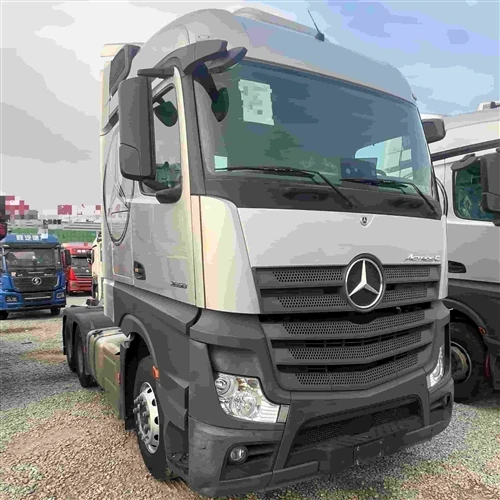
American trucking slang is rich. A semi truck is short for "semi-trailer truck," meaning the tractor plus the semi-trailer. 18 wheeler comes from the typical wheel count (10 on the tractor, 8 on the trailer), although configurations vary. Big rig highlights the vehicle's massive size and power. In the UK and Australia, they say articulated lorry or "artic." These synonyms are extremely high-search-volume terms-perfect for exploring truck driver jobs, CDL training, or used big rigs for sale.
Semi-Trailers in Logistics and the Supply Chain
Semi-trailers move over 70% of all freight tonnage in the U.S. They are the lifeblood of the supply chain. From over the road (OTR) trucking to regional distribution, tractor-semi-trailer combinations enable efficient freight shipping. The industry relies on drivers holding a commercial driver's license (CDL). As e-commerce booms, searches for dry van loads and reefer capacity surge. If you are a logistics coordinator, an owner operator, or a fleet manager, knowing this equipment inside out gives you an edge.


Frequently Searched Questions (With Keywords)
How much does a semi-trailer weigh? An empty dry van semi-trailer typically weighs around 15,000 lbs. Combined with a tractor, the gross vehicle weight can reach 80,000 lbs. People also search for semi trailer weight limit and trailer tare weight.
What are standard semi-trailer dimensions? The most common size is a 53-foot dry van, 8.5 feet wide, and 13.5 feet high. Look for 53 ft trailer dimensions and flatbed trailer dimensions.
How to buy a semi-trailer? High-intent searches include semi trailer for sale, used semi trailers for sale, and semi trailer financing. Check maintenance records, trailer type, and whether you need new or used. Many owner operators search for best trailer for OTR.
The Future of Semi-Trailers: Electric and Autonomous Trends
Sustainability and technology are driving new keywords. Electric semi trucks like the Tesla Semi are entering fleets. Autonomous trucking technology is being tested, but the classic fifth wheel and kingpin connection isn't going away anytime soon. Smart trailers with real-time telematics are adding to the logistics technology conversation. Google search trends for electric semi truck range and autonomous freight trucking are rising fast.

Conclusion: The next time you see an 18 wheeler rolling down the interstate, you'll know it's called a semi-trailer because only half of its weight sits on its own wheels-the rest rests on the tractor. This straightforward engineering idea powers the global freight transportation industry. Whether you're hunting for trucking jobs, comparing a reefer vs dry van trailer, or shopping for a big rig, mastering these terms helps you navigate the logistics world with confidence. If this guide was helpful, share it and check out our resources on CDL schools and fleet management.