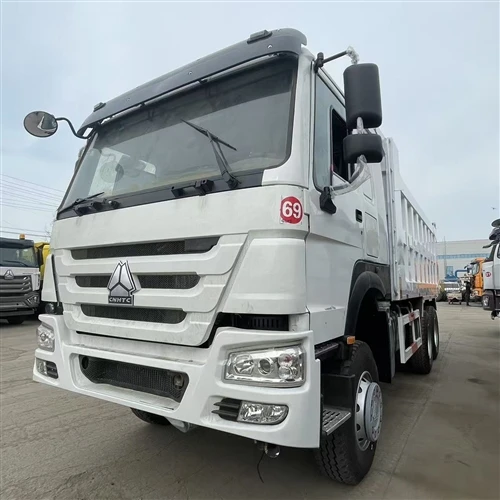

Dump Truck Operations Manual: Maximizing Payload Without Sacrificing Safety
Every extra bucket of material tempts operators to push past the limit. But an overloaded dump truck isn't just a fine waiting to happen - it's a rollover, a blown tire, or a failed brake system in the making. This guide shows you how to move more material legally and safely.
Know Your Truck's Real Limits

GVWR, tare weight, and axle ratings are not suggestions. A truck under its total weight limit can still be over on a single axle, leading to fines and equipment damage. Always check the specification plate before loading. If you don't know your empty weight for that exact truck on that day (fuel, driver, tools all add up), you're guessing - and guessing is dangerous.
Load Distribution Is Everything

Where the weight sits matters as much as how much it weighs. The load center should sit between the axles, slightly forward of the rear axle. A tail-heavy load lifts the steer axle, reducing steering control and braking effectiveness. Side-to-side imbalance creates a rollover risk on curves and uneven ground. Load from the center outward and watch how the material settles - wet clay and dry sand behave very differently in the bed.
Progressive Loading Over Single Dumps

Loading in smaller passes - two or three bucket loads distributed across the bed - allows material to spread evenly. A single massive dump can concentrate weight, create voids, or shift unpredictably. If available, on-board scales or loader bucket scales are your best friends. Material density can vary by up to 20% from the same stockpile, so counting buckets alone is unreliable.
Tires and Suspension Carry the Load
Your tires are the only part of the truck touching the ground. Under-inflated tires under heavy load overheat and fail. Always follow the load/inflation table for your actual axle weight. Equally important is suspension health - worn springs or leaking air bags skew weight distribution and can make a legally loaded truck unsafe in motion.
Dumping Safety Rules
The majority of dump truck accidents happen during unloading. Three non-negotiable rules: dump on level ground only (a 3-degree side slope with a raised bed can tip you over), raise the bed smoothly while watching for binding, and always check for overhead power lines before lifting. Never drive with the bed raised, even for a short distance.
Legal Limits Protect Your Profit
Overweight fines erase margins fast. Understand bridge formula limits that govern axle-group weights, know the seasonal load restrictions on your routes, and keep weight documentation. A ticket costs more than the extra bucket ever earned.
Summary
Maximum payload comes from precision, not overloading. Know your truck, center your load, maintain your equipment, and dump with discipline. The safest operation is also the most profitable one.