A common mistake for new importers is treating clearance as a port-side process; in reality, most critical steps must be completed before the vessel even departs the origin port, and each step ties back to Nigeria's foreign exchange and trade control system. The process formally starts with Form M, a mandatory import declaration filed through an authorized Nigerian bank with a proforma invoice. Linked to the Central Bank's foreign exchange allocation system, Form M is non-negotiable - shipping cargo without an approved copy almost always leads to prolonged port holds and steep demurrage fees.
While the vessel is in transit, a licensed clearing agent submits documents via the customs B'odogwu portal to generate a Pre-Arrival Assessment Report (PAAR). Introduced to reduce port congestion, PAAR finalizes preliminary duty calculations ahead of arrival to speed up post-discharge processing. Once the cargo is offloaded, the agent files a formal Single Goods Declaration through the NICIS II single-window system, settles all charges, and the shipment is assigned to green, yellow or red clearance lanes based on risk profiling. For properly documented truck shipments, full clearance at Lagos ports usually takes 7–14 working days, though peak-season backlogs can extend timelines significantly.
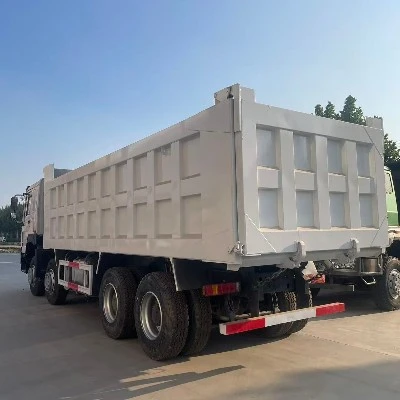
Nearly all clearance delays trace back to paperwork issues, not problems with the vehicles themselves, and many required documents follow formats specific to Nigerian and West African trade rules. The core set includes an approved Form M, original bill of lading, itemized commercial invoice, and a detailed packing list with full VIN and engine numbers. Less widely understood is the Combined Certificate of Value and Origin (CCVO), a standardized regional document that verifies both declared value and country of manufacture, and which will be rejected if not completed in the exact prescribed format.
Importers also need the vehicle's original factory certificate for new units, or prior official registration paperwork for used units, valid marine insurance, and a SONCAP conformity certificate where applicable. The two most avoidable errors are mismatched vehicle identifiers across documents - even one transposed VIN digit triggers a physical inspection and adds weeks to clearance - and deliberate under-valuation, which almost always results in customs reapplying its own benchmark value plus additional penalties.
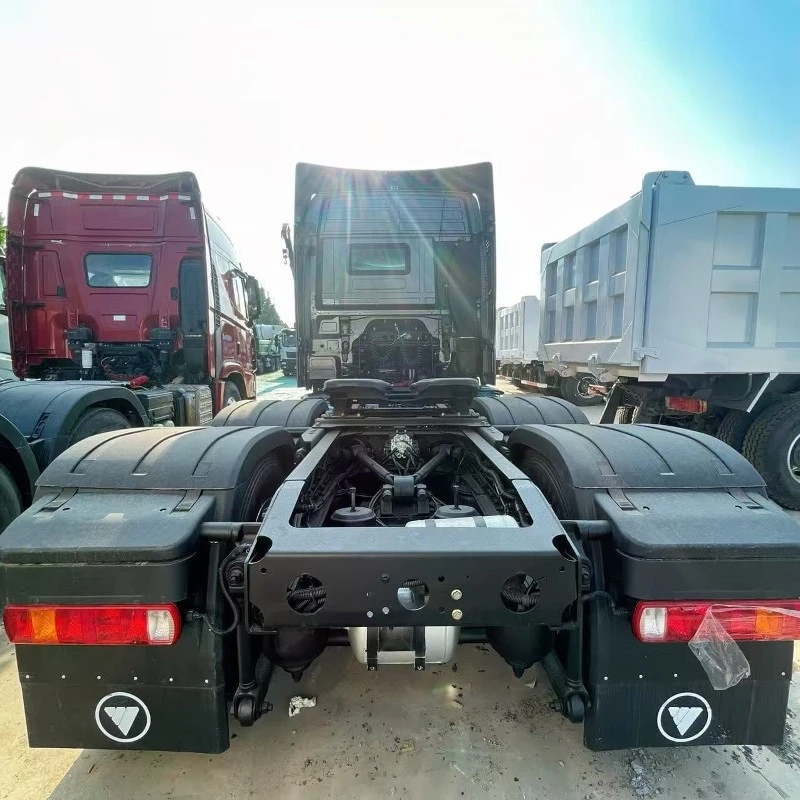
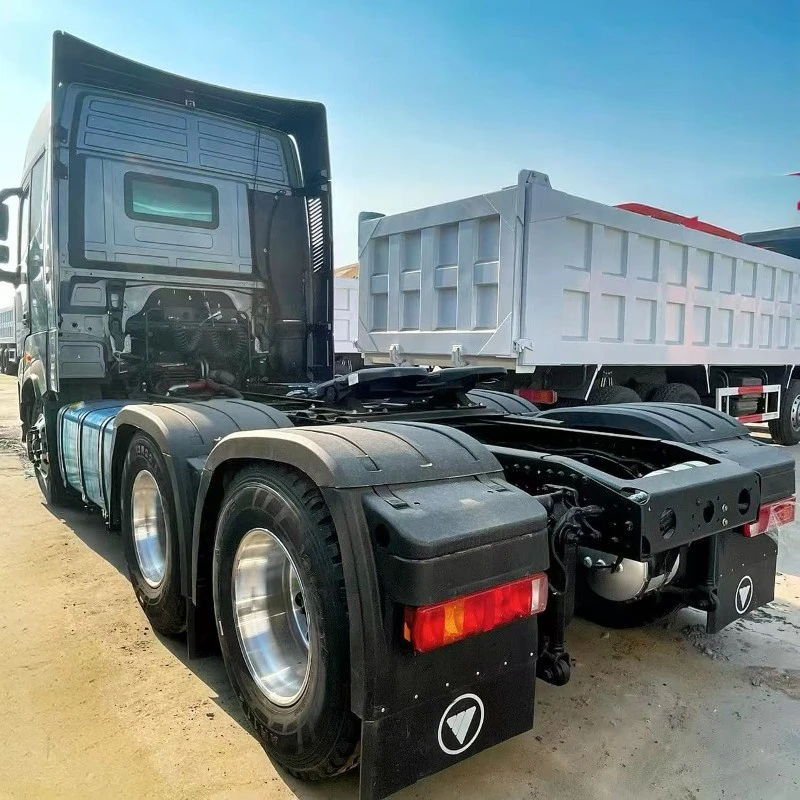
There are also hard regulatory thresholds that can derail an entire shipment, rooted in Nigeria's industrial policy and road safety rules rather than arbitrary enforcement. Nigeria enforces a 12-year age limit on used commercial vehicle imports, measured from the year of manufacture, as part of efforts to lower fleet emissions and support local assembly. A frequent pitfall is purchasing a truck advertised by its registration date instead of its build date; by the end of the 35–45 day sea crossing from China to Lagos, a unit near the age cap can exceed the limit and be refused entry. As a left-hand drive market, Nigeria does not register right-hand drive commercial vehicles, though all Chinese-built heavy trucks meet this standard as default. RoRo vessels remain the most cost-effective shipping option for drivable trucks, but importers should plan for potential capacity shortages during peak construction seasons, as well as unplanned anchorage wait times at Apapa and Tin Can Island ports.
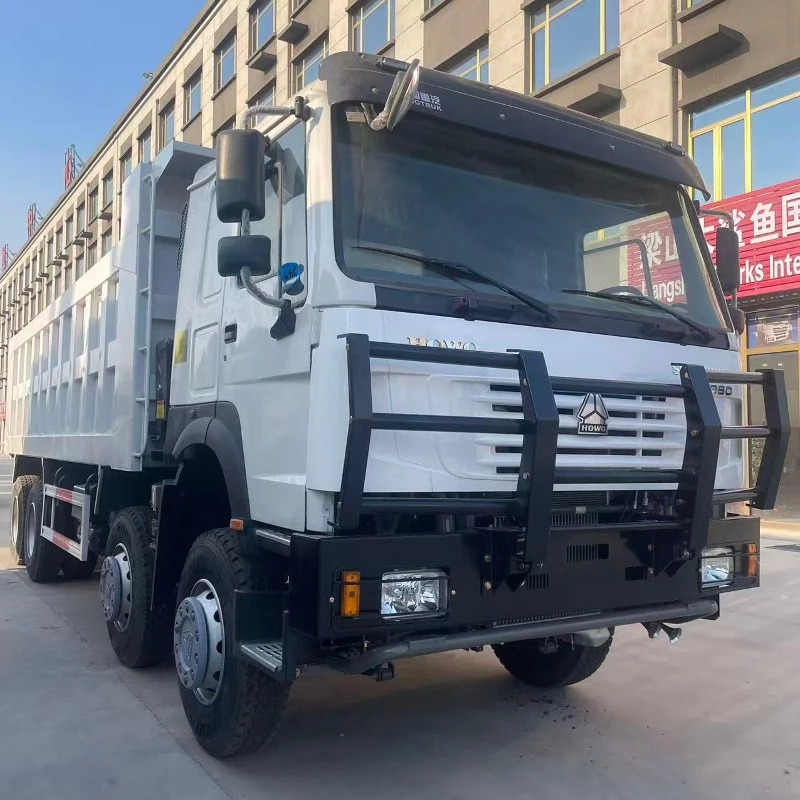
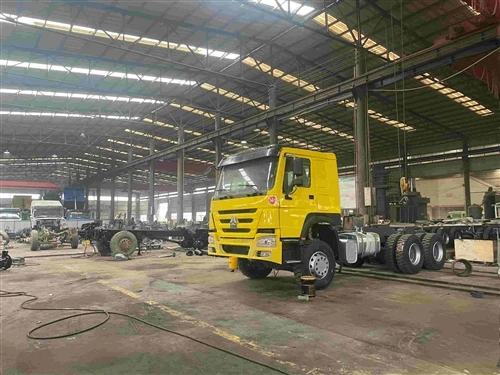
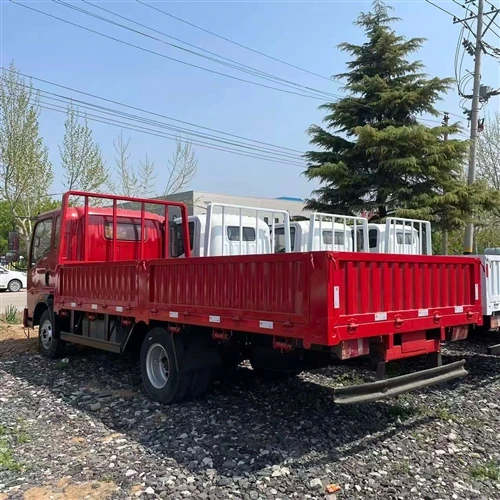
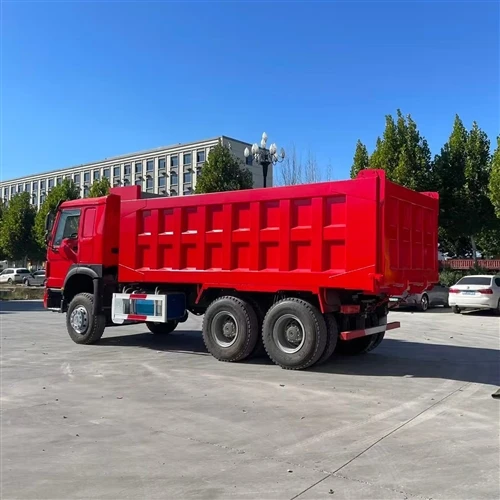
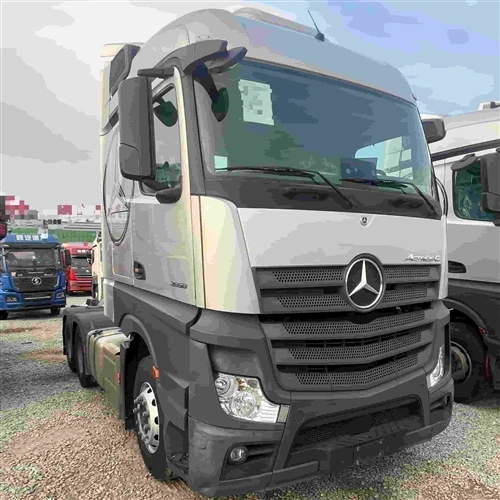
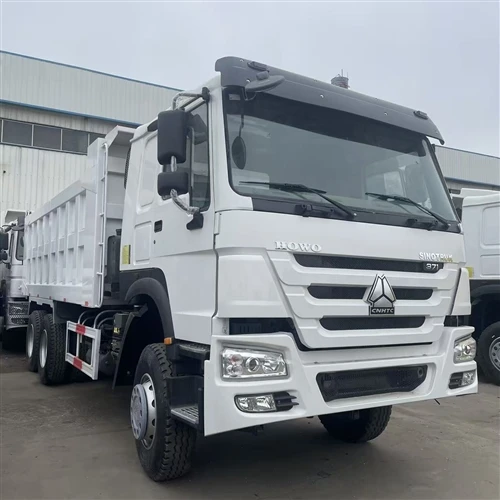
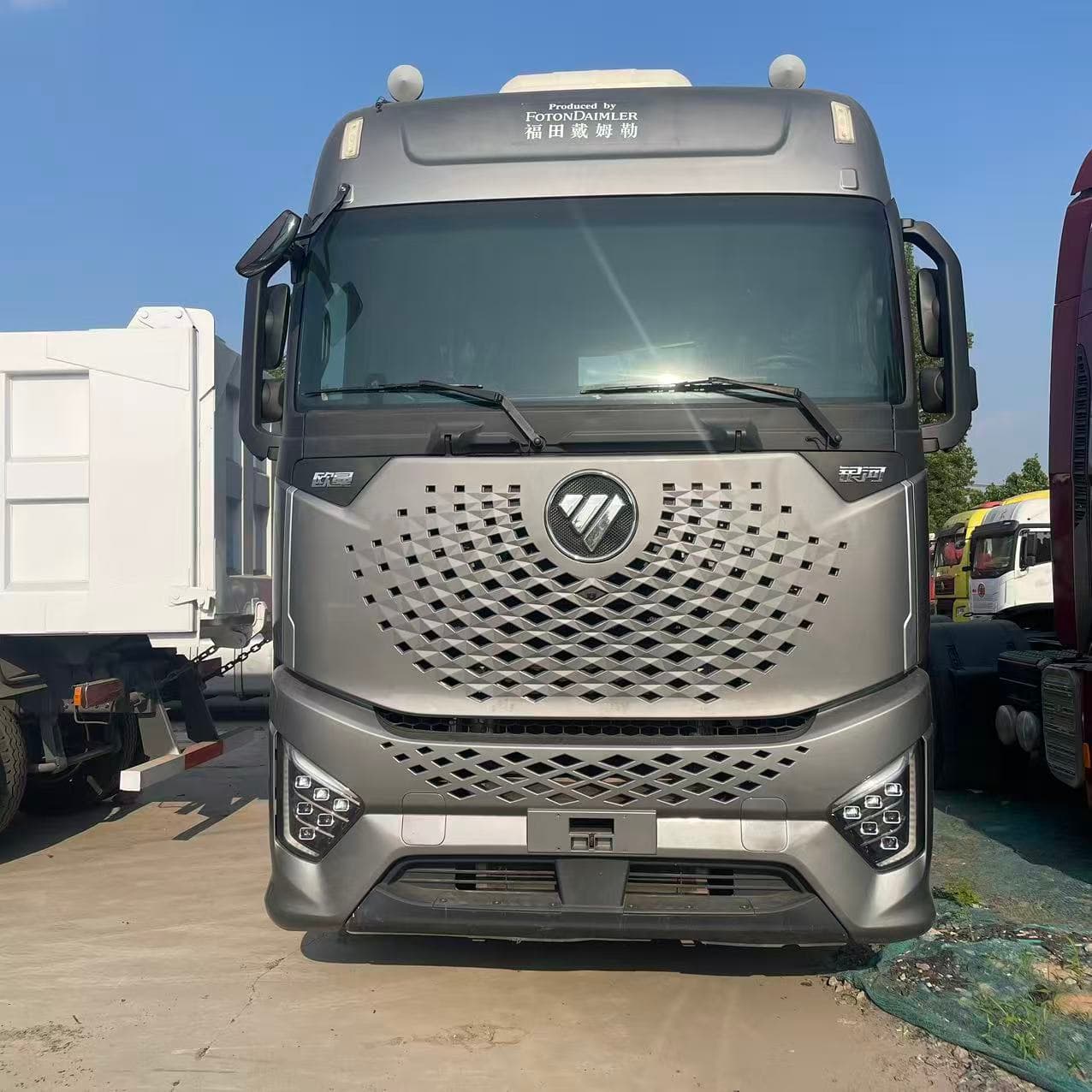
Navigating Nigeria's import rules successfully depends more on on-the-ground practical experience than memorizing tariff schedules, especially as policies and enforcement priorities shift periodically. For importers without dedicated local compliance teams, working with an exporter familiar with the West African market can substantially reduce risk of delays and unexpected costs. Based in Liangshan, Shandong, Liangshan Big Shark International Trading Co., Ltd. has long specialized in supplying commercial vehicles and construction machinery to African markets, with a steady volume of Nigerian shipments spanning new and used dump trucks, tractor heads, fuel tankers, concrete mixers, various semi-trailers and engineering equipment. Through regular hands-on work with Nigerian import procedures, the team is positioned to advise clients on compliance-critical details from model selection and accurate CIF pricing to proper paperwork preparation, helping shipments move through clearance without unnecessary hold-ups.