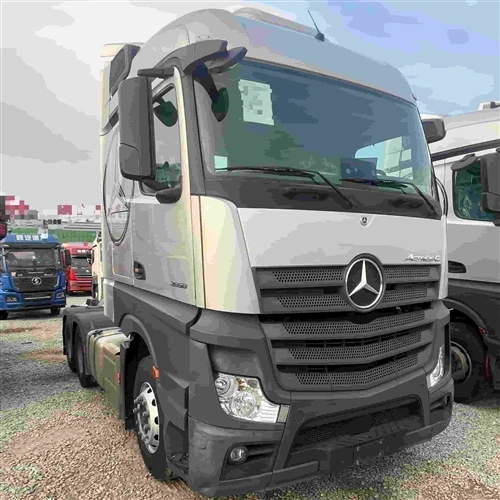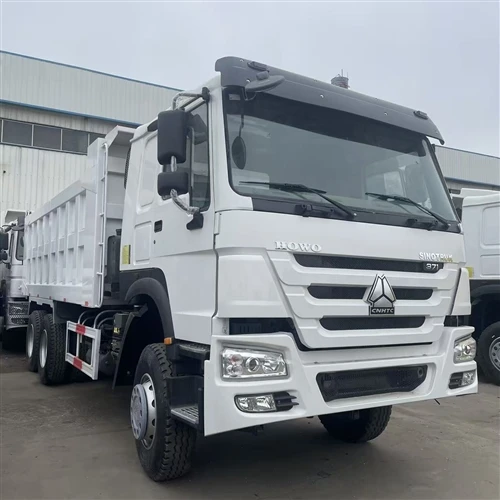
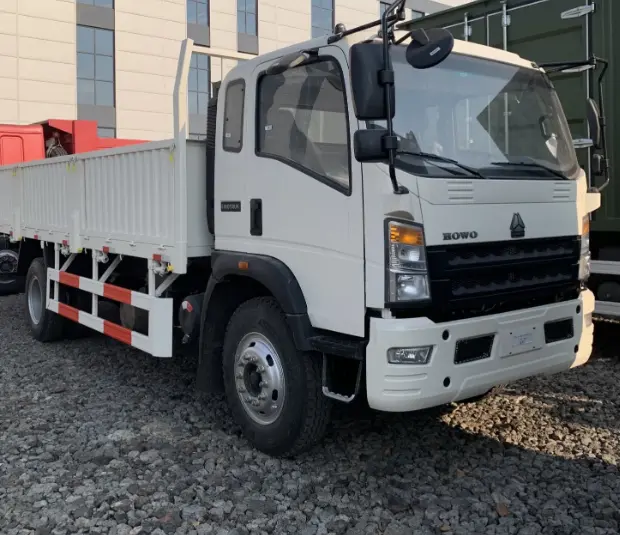
Light-duty commercial vehicles generally sit within the 3.5 tonne to 7.5 tonne GVW bracket, and this single number shapes nearly everything about daily operation. In many markets, anything above 3.5 tonnes requires a heavier class of driving licence, higher annual road tax, and scheduled brake and chassis inspections at shorter intervals.
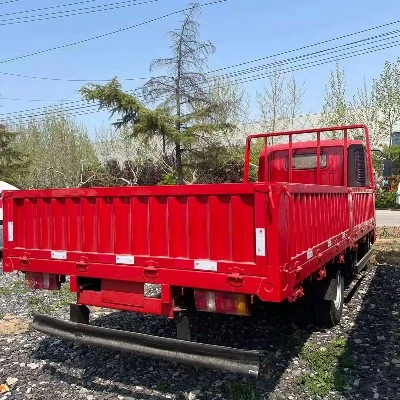
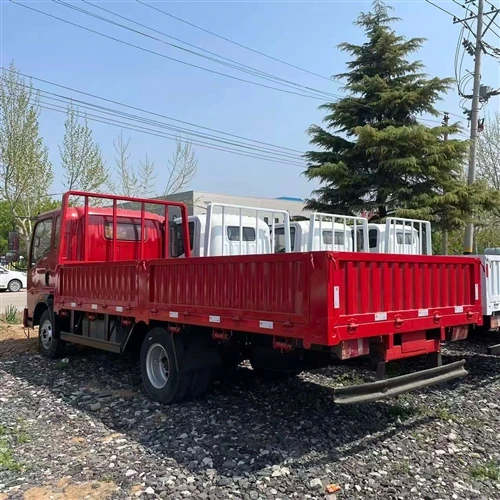
Buyers often fixate on payload alone, forgetting that the tare weight of the body, fuel, spare wheel and driver all eat into usable carrying capacity. A box body fitted to the same chassis can reduce available payload by 600–800 kg when compared to a basic flatbed, a difference large enough to force an extra trip every week for someone moving high-volume, low-density goods.
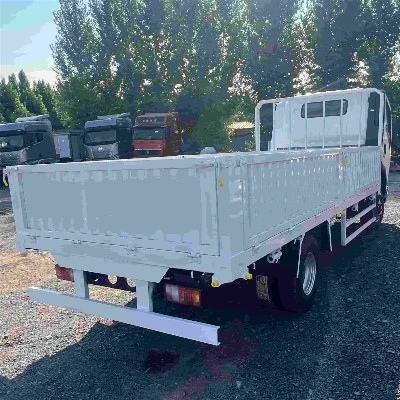
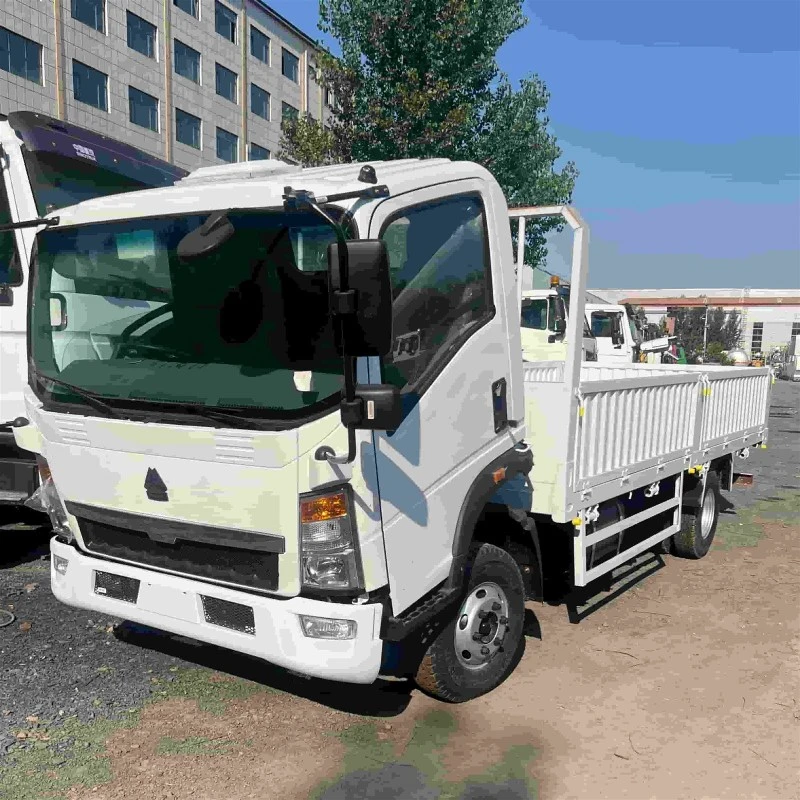
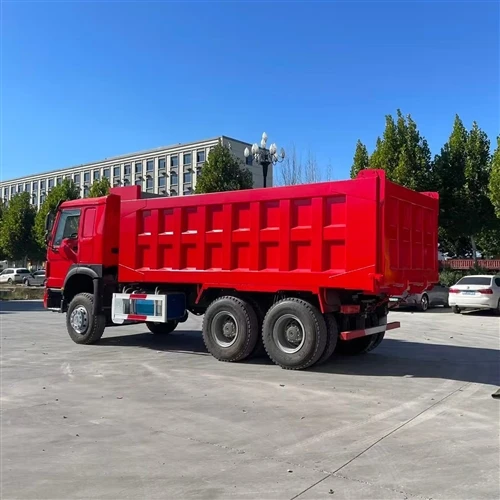
Body type must follow the work, not the other way around. Mini tipper light trucks look practical for small earthworks, but their hydraulic hoist adds weight. For a contractor clearing rubble on residential sites, that tradeoff may be worthwhile. For a supplier delivering packaged feed, the same tipper body is dead weight that burns extra fuel with every run. Rain and dust protection matters too; open flatbeds mean crop produce or cement bags risk spoilage, while closed box bodies limit how you load bulky, over-length items like steel posts or timber. These small operational frustrations add up over months of back-to-back shifts.
We see this pattern again and again. New small business owners tend to shop by price first, thinking the cheapest road-legal light truck will solve their transport needs. More than once, we have spoken with buyers who purchased a light truck elsewhere, only to discover it cannot enter city zones due to local emissions rules, or that its narrow axle rating rules out the dense stone they planned to haul. Choosing the right light truck is less about picking a popular model and more about mapping your regular routes, cargo types, and local enforcement rules before signing off.
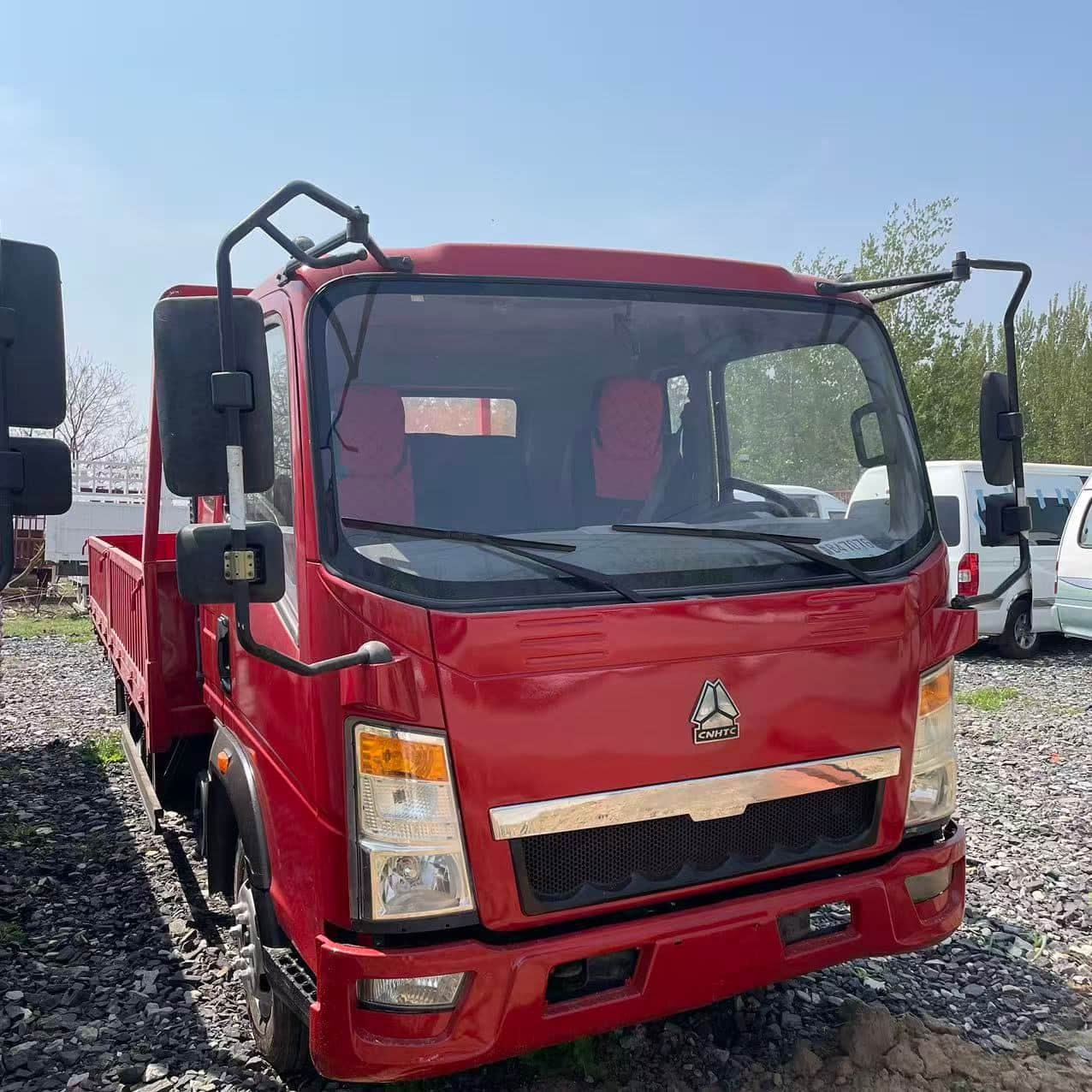
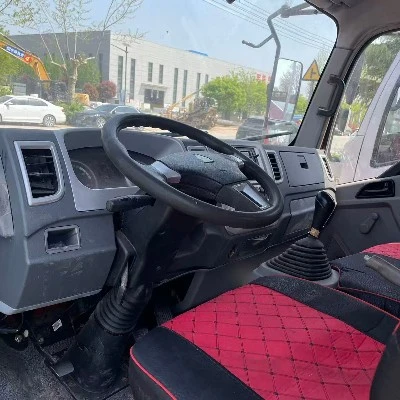
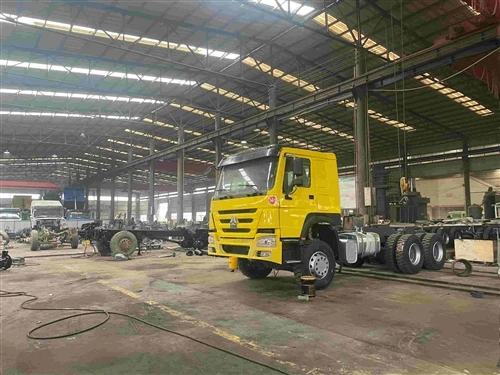
Liangshan Big Shark International Trade Co., Ltd supplies new and used light trucks, dump trucks, tractor units, fuel tank trucks, concrete mixers, semi-trailers and full construction machinery. We do not push standard packages. Instead, we draw on cases like that grain farmer to talk through your recurring routes, cargo density, local weight limits and licensing requirements.
Our used stock includes service notes and component check footage taken at our yard, so overseas buyers can see wear points on suspension, tyres and hydraulics before shipment. We handle export paperwork and sea freight coordination for operators buying one truck to start, or adding units slowly as their haulage, farm or contracting work grows.